
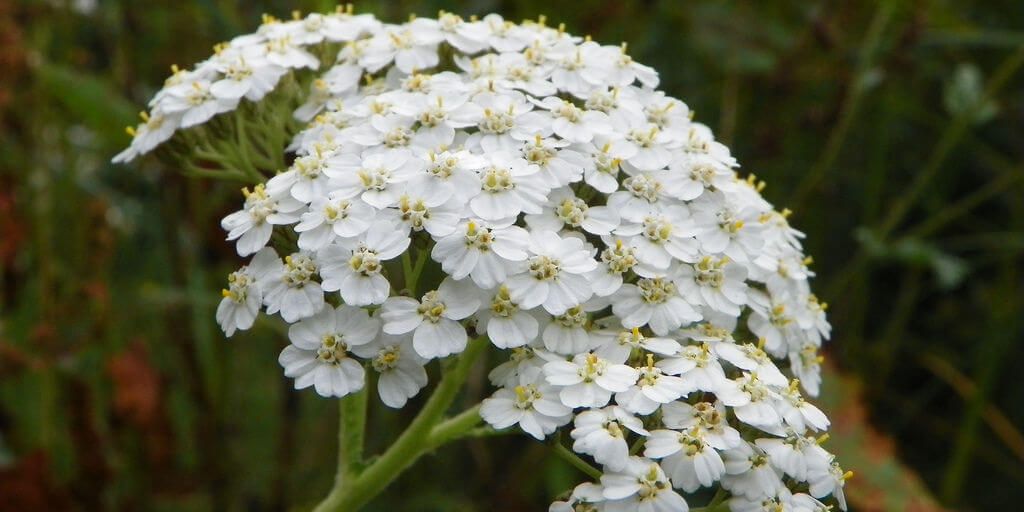
A most delicious of summer drinks
Elderflower ‘Champagne’ is such a refreshing, effervescent drink, and it’s almost free. The flowers taste best picked early on a dry day and be used straight after picking. The cream-coloured heads (or umbels) are tastier than the white.
Diluted with water or soda, served with lemon and mint, elderflower cordial is just the thing for a summer’s day. It can also make a refreshing sorbet or tasty gin mixer.
Elderflower cordial
Ingredients
8-10 elderflower heads
2L water
1kg raw sugar (you can reduce this to 750g if you like it sour)
1 lemon peel and the sliced in rounds (you can add a lime if you like)
2 tbsp citric acid
Lemon verbena leaves – to add even more lemony zing
Method
Bring water and sugar to the boil, when all the sugar is dissolved turn off the heat. Immediately add all other ingredients. Stir and cover for 24 hours, stirring occasionally.
Strain through muslin, squeezing the flowers and lemon, into a bowl then use a jug to pour into sterilised bottles, store the bottles in the fridge.
Elderflower ‘Champagne’
Ingredients
8 large elderflower heads
9L water
1kg sugar
4 lemons
4 tbsp mild white wine vinegar
Method
Dissolve the sugar in boiling water, leave to cool and add the elderflowers, the juice of two of the lemons, slices of the other two and the vinegar. Cover with a cloth and leave for a day. Strain with muslin in a fine sieve, squeezing the flowers. Store in screw-top bottles. It’ll be ready in about a fortnight and should be drunk within a month.
Folklore
- Elderflower – Sambucus nigra
To fell a tree without suitable protection could free a spirit called the Elder Mother to take her revenge - The elderflower was said to be a protection against witches, and a knotted twig kept in the pocket was a charm against rheumatism
- Elderflowers were apparently never struck by lightning, and a cross of elder fastened above stables would protect the animals from evil Medicinal benefits
- Elderflower cordials and elderberry wines are high in vitamins A, B and C
- In A Modern Herbal of 1931, Mrs Grieves recommends an elderflower infusion, taken hot before bed, as a remedy for colds and throat trouble
- Mrs Grieves swears by elder leaves as an insect deterrent. The foul-smelling bruised leaves around tender plants and buds prevent attack by aphids and cater-pillars, and gardeners can add a sprig to their hatband to ward off midges
- Medical herbalist Christine Houghton says a daily elderflower infusion, made with fresh flowers, is helpful in preventing hay fever